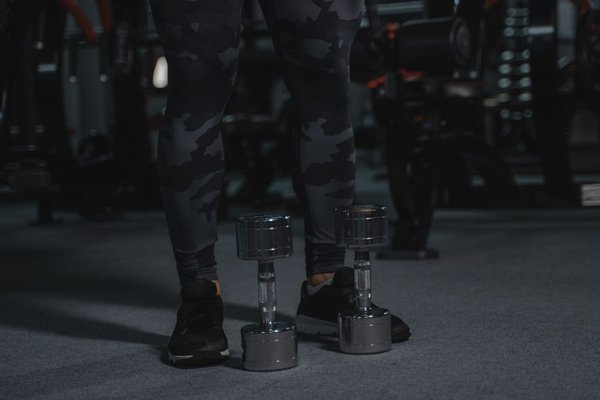
A useful lower body strength workout does more than leave your legs tired. It gives the glutes, quads, and hamstrings enough challenging work to grow stronger while allowing recovery before the next session. The trick is choosing movements that complement one another instead of stacking endless squat variations.
Think in movement patterns: a squat, a hip hinge, a single-leg exercise, and a smaller movement that fills a gap. Those pieces create a dependable leg strength workout using barbells, dumbbells, machines, or a modest home setup.
Build Around What Each Muscle Does
The quadriceps straighten the knee and work during squats, step-ups, and lunges. The glutes help extend the hip, particularly when rising from a squat or driving through a hip thrust. The hamstrings extend the hip and bend the knee, which explains why Romanian deadlifts and leg curls make a useful pair.
Compound lifts train several muscle groups together. Rather than assigning equal numbers of exercises to every muscle, balance knee-dominant and hip-dominant work across your training week.
A Practical Two-Day Lower Body Strength Workout
Two lower-body sessions separated by at least a day of recovery are a workable starting point. This example puts a squat emphasis on the first day and a hinge emphasis on the second. Choose loads that make the final repetitions challenging without losing control.
Day A: Squat and Quad Emphasis
Warm up with five to ten minutes of easy movement and lighter practice sets. Perform a squat variation for three sets of five to eight repetitions. Choose a goblet squat, back squat, front squat, or leg press depending on equipment and skill. Aim for a consistent, comfortable depth rather than forcing a particular range.
Follow with reverse lunges for two sets of eight to ten per leg. Add Romanian deadlifts for two sets of eight to ten, then standing calf raises for two sets of ten to fifteen. Lunges develop single-leg control, while the hinge ensures this quad-focused day still trains the posterior chain.
Day B: Glute and Hamstring Emphasis
Start with Romanian deadlifts for three sets of six to eight. Keep the weights close, move the hips backward, and stop when you cannot maintain a controlled back position. The goal is a loaded hip hinge, not reaching the floor at any cost.
Next, complete hip thrusts or glute bridges for three sets of eight to twelve. Add step-ups or split squats for two sets of eight per leg, followed by seated, lying, or banded leg curls for two sets of ten to fifteen. These hamstring exercises cover both hip extension and knee flexion.
If that volume feels excessive, begin with one or two sets per exercise. Learning repeatable technique matters more than squeezing extra sets into your first weeks.
Choose Exercises You Can Repeat Well
Squats and Leg Presses
Squats challenge the quads and glutes through a coordinated movement. Keep your feet planted and allow your knees to follow a comfortable path over the feet. If balance limits your squat, a supported goblet squat or leg press can make consistent training easier.
Hip Hinges and Leg Curls
Romanian deadlifts train the hamstrings as the hips move backward. Start light enough to feel the motion. Leg curls add direct knee-bending work that hinges do not fully replace, giving your hamstrings a different challenge.
Lunges, Step-Ups, and Hip Thrusts
Single-leg movements expose differences in control between sides without requiring huge weights. During hip thrusts, extend through the hips rather than arching the lower back. Effective glute exercises are the ones you can load gradually and perform without pain.
Match Repetitions, Rest, and Effort to the Goal
For main strength lifts, roughly five to eight controlled repetitions per set are a practical option. Assistance exercises often fit well in the eight-to-fifteen range. These are flexible choices, not magic boundaries; loads and repetitions can vary while still building strength.
Rest around two to three minutes after demanding squats or hinges and one to two minutes after smaller exercises. Take longer if performance requires it. Most sets can end when you estimate one to three clean repetitions remain, especially while learning technique.
An upper/lower split routine can help distribute hard training across the week. When possible, avoid placing demanding running intervals immediately before your heaviest leg session.
Progress Without Constantly Changing the Plan
Record the exercise, load, repetitions, and how difficult each set felt. Imagine squatting the same weight for three sets of six. Over several sessions, work toward three sets of eight with comparable technique. When all sets feel controlled, increase the weight slightly and work upward again.
This approach to progressive overload provides a reason to add resistance instead of guessing. Better balance, steadier depth, and more quality repetitions count as progress too. If performance declines repeatedly, examine sleep, soreness, and overall training demands before adding volume.
Recovery Is Part of Stronger Legs
Challenging lower body workouts need recovery. Leave sufficient time between hard sessions, eat enough to support your activity, and prioritise sleep. Some soreness after unfamiliar movements is normal, but soreness is not a measure of workout quality.
Sharp pain, persistent joint pain, or changing your movement to avoid discomfort warrants stopping and reassessing. A different exercise or range may help; seek professional guidance where appropriate. Good recovery between strength workouts supports regular training, not simply an easier day tomorrow.
Frequently Asked Questions
How often should I train my lower body?
Two sessions weekly suit many lifters. Public health guidance recommends strength training for all major muscle groups on at least two days per week, although those sessions need not focus exclusively on legs. Adjust frequency to your recovery and other activities.
Can I build leg strength with dumbbells?
Yes. Goblet squats, dumbbell Romanian deadlifts, reverse lunges, and step-ups can provide substantial resistance. Progress by adding manageable weight, quality repetitions, or suitable single-leg variations.
Should I train glutes, quads, and hamstrings together?
Absolutely. A squat, hinge, and single-leg movement cover much of the lower body. Across the week, add leg curls or hip thrusts when you want more targeted work.
What if my legs are still sore?
Mild soreness may settle during a gentle warm-up. Substantial soreness or reduced movement quality can justify a lighter session or extra rest. Progress comes from consistent training, not ignoring warning signs.
Keep the Routine Simple Enough to Sustain
Use squats for knee-dominant strength, hinges and curls for hamstrings, and single-leg work or hip thrusts for added glute emphasis. Track your sessions, raise the challenge gradually, and plan recovery. A straightforward lower body workout you can repeat will serve you better than an elaborate routine you abandon.