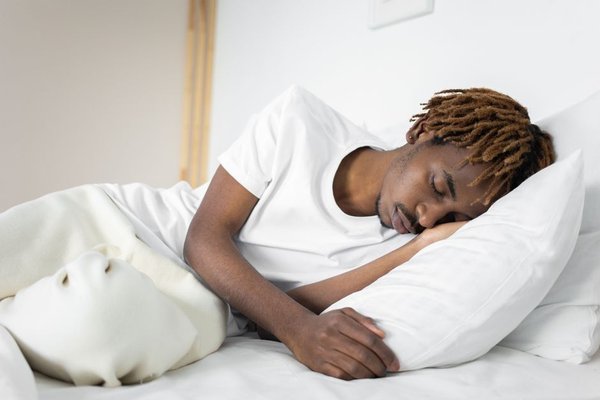
Some nights, a workout leaves you pleasantly tired. Other nights, you finish a late session feeling wide awake. Does exercise improve sleep quality, or can the wrong workout at the wrong time make sleep harder?
The answer is more useful than a blanket rule. Regular physical activity is associated with better sleep, but timing, intensity, fitness level, and personal sensitivity influence how a session feels at bedtime. You do not necessarily need to exercise at sunrise or give up an evening class. You need a routine that supports movement and rest.
What exercise actually changes about sleep
Exercise and sleep quality influence each other. Moving regularly can help people feel sleepier at night, manage stress, and establish a steadier daily rhythm. Research suggests physical activity can improve perceived sleep quality and, for some people, reduce time spent trying to fall asleep. One workout is not a guaranteed cure for a difficult night.
Sleep also affects exercise. After a restless night, a demanding workout may feel unusually hard, concentration can dip, and recovery may suffer. A sustainable workout and sleep routine pays attention to both sides instead of treating exercise as another task to force through exhaustion.
Does exercise timing really matter?
There is no universally perfect hour to train. What matters is whether the schedule is repeatable and whether your body has time to settle before bed. The idea that all evening exercise ruins sleep is too simplistic. Reviews of studies in healthy adults generally find that evening workouts do not automatically worsen sleep, although vigorous sessions ending very close to bedtime may cause problems.
Morning workouts: useful for consistency
Morning activity can be a good choice if your evenings are unpredictable. A walk outside also provides daylight exposure, which helps reinforce the body’s day-night signals. However, morning exercise is not inherently better for sleep than activity you can complete later. Cutting sleep short for a dawn gym session defeats the purpose.
Afternoon workouts: room to recover
Afternoon exercise offers a middle ground. You may feel more physically ready for a challenging session than immediately after waking, while still having hours before bedtime. If intense training makes you alert, this timing gives your heart rate and temperature time to return toward normal.
Evening exercise: judge the finish time and intensity
A gentle evening walk, relaxed cycle, or easy stretching session is different from an all-out interval workout. A 2018 systematic review found no overall evidence that evening exercise harmed sleep, while noting possible disruptions when vigorous activity ended within about an hour of bedtime. A later review found that high-intensity exercise completed roughly two to four hours before bed generally did not disrupt sleep in healthy adults.
These findings are averages, not promises. They mainly describe healthy adults, so someone with chronic insomnia may respond differently. If late training leaves you overheated or mentally switched on, finish earlier or lower the intensity rather than abandoning exercise.
Intensity changes the bedtime equation
Moderate activities such as brisk walking, comfortable cycling, and swimming can raise your breathing rate without leaving you drained. They are useful starting points for connecting physical activity and sleep without adding another source of strain.
Vigorous running, hard intervals, and demanding strength sessions can also fit into a sleep-friendly week. Hard exercise is not inherently bad for sleep, but a late session may increase alertness and the time you need to wind down. Recovery matters: soreness, inadequate food, or training beyond your fitness can leave you restless.
Use a simple test: during moderate exercise, you can usually talk but not sing comfortably. During vigorous effort, speaking more than a few words becomes difficult. If sleep worsens after a particular session, try moving it earlier before blaming the exercise itself.
Build a routine around your actual bedtime
Imagine you turn out the lights at 10:30 p.m., but your gym slot is 8:45 p.m. An easy 25-minute bike ride might leave you relaxed. A high-intensity class finishing at 9:45 p.m. might not. Try moving harder workouts to lunchtime twice a week and keeping the late slot for lighter activity. Compare how quickly you fall asleep and how refreshed you feel the next morning.
For general health, the CDC recommends adults aim for at least 150 minutes of moderate-intensity activity weekly, or 75 minutes of vigorous activity, plus muscle-strengthening activity on two days. This is a broad health target, not a minimum dose required to improve sleep. Short walks still count, especially when starting from very little movement.
A realistic week might include three 30-minute brisk walks, two 20-minute walks, and two strength sessions. Keep exercise flexible enough that it does not steal time from your sleep window. For shift workers or caregivers, consistency may mean choosing different workout times on different days.
Notice the pattern, not just one night
To assess exercise timing, keep a brief two-week note of when you trained, how hard it felt, bedtime, approximate time to fall asleep, and morning energy. Avoid obsessing over one wearable sleep score. Stress, caffeine, illness, and bedroom temperature can affect the same night, so look for repeated patterns.
Pair movement with familiar sleep hygiene habits: maintain a reasonably consistent wake time, keep the room dark and comfortable, and allow a quieter period before bed. A consistent sleep schedule and calming evening wind-down routine help you judge whether workouts are working for you.
If you have persistent difficulty sleeping, loud snoring, breathing pauses, or significant daytime sleepiness, speak with a healthcare professional. Exercise does not replace treatment for insomnia or sleep apnea. People with medical conditions or who are new to vigorous activity may also need individualized exercise advice.
Frequently asked questions
Can exercising every day improve sleep quality?
Regular movement may support better sleep, but you do not need an intense daily workout. Mix harder days with easy walking or recovery activity. Choose a frequency you can maintain without chronic soreness, exhaustion, or sacrificing sleep.
How long before bed should I stop exercising?
There is no strict cutoff for everyone. If vigorous evening exercise affects your sleep, try finishing it at least two to three hours before bedtime. Gentle activity closer to bed may be comfortable, depending on your response.
Is walking enough to help with sleep?
Walking is a worthwhile starting point. Regular brisk walks add moderate activity without expensive equipment. A relaxed walk may also help you unwind, although results vary.
Should I skip my workout after a poor night’s sleep?
Not necessarily. An easy walk or gentle mobility session may feel restorative. If you are extremely sleepy, dizzy, or unable to focus, prioritize safety and recovery over a demanding workout.
Make movement work for your nights
The connection between exercise and sleep quality is strongest as a habit, not a race to find one magical workout time. Start with activity you enjoy, protect time for sleep, and adjust late or strenuous sessions if they repeatedly leave you wired. The best schedule helps you move regularly and wake up ready for the day.