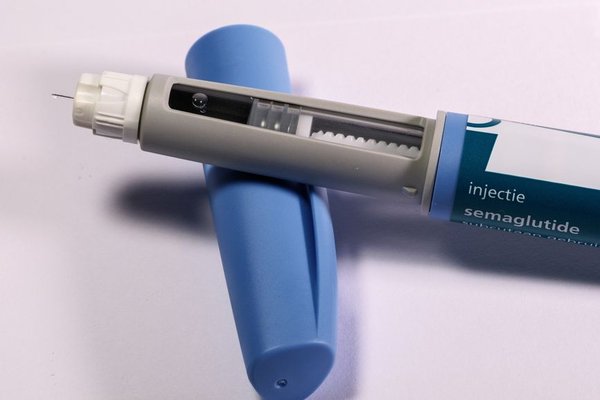
GLP-1 medications have moved from a specialist treatment to one of the defining health and nutrition trends of 2026. For many people, the biggest adjustment is not simply eating less. It is learning how to make smaller meals work harder when hunger is reduced, fullness arrives quickly and familiar foods may suddenly feel unappealing.
There is no single official GLP-1 diet, and the best plan depends on why the medication was prescribed, your health conditions and any side effects. Still, a food-first approach can help protect muscle, support digestion and keep energy steadier. The goal is not extreme restriction. It is to get enough nourishment from the amount you can comfortably eat.
How GLP-1 Medication Changes the Way You Eat
GLP-1-based medicines can reduce appetite and slow the movement of food through the stomach. This often means smaller portions feel satisfying, but it can also contribute to nausea, constipation, reflux, bloating or diarrhea. These effects are commonly more noticeable when treatment begins or the dose changes.
Because food intake may drop sharply, meal quality becomes especially important. Skipping most of the day and then trying to eat a large dinner can worsen discomfort and make it difficult to meet nutrition needs. Most people do better with modest, balanced meals eaten slowly and stopped at the first sign of comfortable fullness.
Prioritize Protein to Help Preserve Muscle
When weight falls, the body can lose both fat and lean tissue. Adequate protein, paired with resistance exercise when medically appropriate, helps support muscle mass during weight loss. This is a key principle of nutrition for weight loss medication.
Include a protein source whenever you eat. Practical options include eggs, Greek yogurt, cottage cheese, fish, chicken, turkey, tofu, tempeh, beans, lentils and lean meat. If a full meal feels too large, try a smaller protein-rich snack such as yogurt with berries, an egg with whole-grain toast or hummus with soft vegetables.
When appetite is very low, eat the protein portion first rather than filling up on low-nutrient extras. A registered dietitian or prescriber can help determine an appropriate personal target, particularly for older adults, people with kidney disease or anyone losing weight rapidly.
Choose Fiber-Rich Foods, but Increase Them Gradually
Vegetables, fruit, beans, oats and whole grains provide fiber, vitamins and minerals. Fiber can be particularly helpful when constipation develops. However, suddenly adding large servings of bran, raw vegetables or fiber supplements may increase gas and bloating when stomach emptying is already slower.
Build up gradually and match fiber with enough fluid. Softer choices may be easier to tolerate, including cooked vegetables, oatmeal, ripe fruit, soups, lentils and stewed beans. If eating on Ozempic or another GLP-1 medicine makes raw salads uncomfortable, cooked produce is still a nutritious choice.
Keep Carbohydrates Nutritious and Portions Sensible
Carbohydrates do not need to be eliminated. They provide energy and can help make meals satisfying. Choose mostly minimally processed sources such as oats, brown rice, quinoa, potatoes, sweet potatoes, whole-grain bread, fruit and legumes.
Pairing carbohydrates with protein and fiber can support steadier energy and blood glucose. Combine toast with eggs, fruit with yogurt, or rice with fish and vegetables. People who take insulin or certain diabetes medicines may need treatment adjusted as food intake changes, so unexplained low blood sugar should be discussed promptly with the prescribing clinician.
Use Healthy Fats in Smaller Amounts
Olive oil, avocado, nuts, seeds and oily fish offer beneficial fats, but fat is energy-dense and may sit heavily when digestion is slowed. Small portions are often better tolerated than rich, greasy meals. A spoonful of nut butter or light drizzle of olive oil may work better than fried food.
Very fatty meals are a common trigger for nausea, reflux and uncomfortable fullness. This does not mean every higher-fat food must be banned. Notice your tolerance and reduce portions when symptoms flare.
Hydration Matters More Than You May Expect
Reduced appetite can also reduce the urge to drink. Vomiting or diarrhea can increase fluid losses, and adding fiber without enough liquid can worsen constipation. Sip water regularly instead of trying to drink a large amount at once. Water, unsweetened tea, broth and other low-sugar drinks can all contribute.
Some people feel overly full when they drink a lot with meals. In that case, take smaller sips while eating and drink more between meals. Persistent dizziness, very dark urine or inability to keep fluids down requires medical advice.
Foods That May Be Harder to Tolerate
A practical GLP-1 diet is based on tolerance, not rigid rules. Common troublemakers include oversized meals, fried foods, heavy cream sauces, highly processed snacks, large amounts of added sugar, alcohol and very spicy foods. Carbonated drinks may worsen bloating or belching for some people.
During nausea, simple foods such as toast, crackers, rice, bananas, soup, yogurt or a small baked potato may feel easier. Eat slowly, avoid lying down immediately after meals and stop before you feel stuffed. If symptoms are severe, persistent or accompanied by intense abdominal pain, contact your clinician rather than trying to manage them with diet alone.
A Simple Way to Build a GLP-1-Friendly Meal
Start with a modest serving of protein, add a vegetable or fruit, then include a small portion of a high-quality carbohydrate. Use healthy fat lightly for flavor. A meal might be grilled fish with cooked vegetables and a small potato, lentil soup with yogurt, or scrambled eggs with toast and fruit.
What to eat on GLP-1 medication ultimately comes down to consistency and nutrient density. Regular small meals are often more useful than chasing “perfect” foods, and individual tolerance may change as your body adjusts.
Frequently Asked Questions
Should I avoid carbohydrates while taking a GLP-1?
No. Most people can include nutritious carbohydrates in sensible portions. Whole grains, fruit, beans and starchy vegetables provide energy, fiber and micronutrients. Pair them with protein, especially if blood glucose management is part of your treatment.
What should I eat when I feel nauseated?
Try small, plain meals and lower-fat foods. Toast, rice, bananas, crackers, yogurt, broth-based soup or a small amount of lean protein may be easier to tolerate. Sip fluids and avoid forcing a large meal.
Do I need protein shakes?
Not necessarily. Whole foods can meet protein needs for many people. A shake may be convenient when appetite is extremely low, but it should not automatically replace balanced meals. Check the ingredients and discuss regular use with a dietitian if you have kidney disease or other medical concerns.
How often should I eat on GLP-1 medication?
There is no universal schedule. Many people tolerate three smaller meals, sometimes with one or two nutrient-dense snacks, better than one or two large meals. Follow your hunger cues while avoiding long gaps that leave you undernourished.
Conclusion
Eating well on a GLP-1 medication is less about strict dieting and more about making every bite count. Prioritize protein, include fiber-rich plants gradually, choose nourishing carbohydrates, use fats in comfortable portions and stay hydrated. Adjust meal size around symptoms, and seek professional guidance if intake becomes very limited or side effects persist. With a thoughtful food-first routine, reduced appetite can coexist with balanced nutrition, better digestion and support for long-term health.