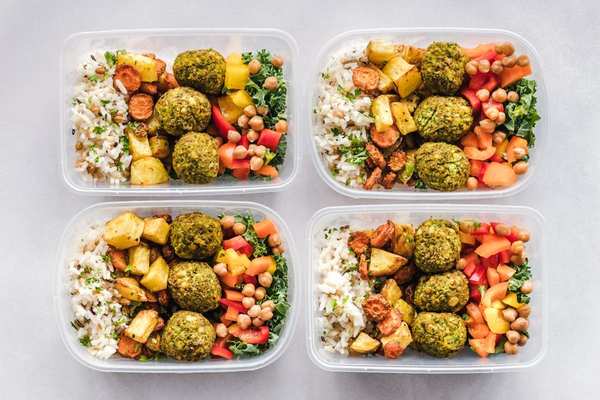
Plant-based meal prep works best when it feels less like cooking five identical meals and more like giving your future self a head start. Instead of filling a row of containers with the same lunch, prepare flexible components that can become bowls, wraps, salads, soups, or quick dinners. That keeps the week interesting while reducing chopping, cooking, and washing up.
A practical plant based meal prep for the week comes down to three questions: what can be cooked in bulk, what should stay fresh, and what can be frozen for later? You do not need an elaborate Sunday routine. You need a small set of foods that work together in different combinations.
Plan the week before you cook
Start with the meals you actually need. If you buy lunch on Wednesday, do not prep five lunches just because five sounds tidy. Look at your schedule and identify the meals most likely to be rushed. For many people, that means preparing three refrigerated meals for the first part of the week and freezing one or two portions for Thursday or Friday.
Plant based meal planning works best when you choose one grain or starchy base, one or two protein-rich foods, several vegetables, and two sauces or dressings. Those elements can be recombined without making every meal taste the same.
Use a simple component formula
A useful formula is one cooked grain, two plant proteins, three vegetables, and two flavour boosters. For example, cook brown rice, prepare chickpeas and lentils, roast peppers and courgettes, steam broccoli, and make a lemon-tahini sauce plus a tomato-based dressing. From those ingredients, you can assemble a rice bowl, lentil salad, chickpea wrap filling, or quick vegetable dinner.
Batch-cook the foods that hold up well
Efficient vegan meal prep focuses on foods that stay dependable after a day or two in the fridge. Grains, beans, lentils, roasted root vegetables, soups, stews, and many sauces are good candidates. Delicate leaves, avocado, chopped herbs, and crunchy toppings are usually better added shortly before eating.
When batch cooking vegan meals, cook components in parallel. Put vegetables in the oven while a grain simmers and lentils cook on another burner. While those are going, mix a sauce and prepare raw vegetables. You create several meal-building blocks in roughly the time it might otherwise take to make one larger dinner.
Prep with texture in mind
Broccoli, green beans, and similar vegetables can soften after reheating, so stop cooking when they are just tender. Store sauces separately to prevent grains and vegetables becoming soggy. Keep toasted seeds or nuts in a dry container and add them at serving time for crunch.
Turn one prep session into different meals
To avoid meal-prep boredom, think in combinations rather than finished dishes. Suppose your Sunday prep includes quinoa, black beans, roasted sweet potato, peppers, spinach, and lime dressing. On Monday, make a warm grain bowl. On Tuesday, use the beans and sweet potato in a wrap with spinach. On Wednesday, serve quinoa and vegetables over greens. The ingredients barely change, but the meal does.
For dinner, add canned tomatoes and stock to beans and vegetables for a quick soup, or warm everything with spices for a simple skillet meal. This flexible approach avoids five matching containers.
Store meals safely across the week
Cooked food should be cooled and refrigerated promptly rather than sitting out for hours. Shallow containers help food cool more quickly. General food-safety guidance recommends refrigerating perishable cooked food within two hours and using most cooked leftovers within three to four days.
For a five-day plan, a fridge-and-freezer system is usually more sensible. Keep meals for the first few days refrigerated and freeze portions intended for later in the week. Move a frozen portion to the refrigerator before you need it, or follow safe thawing and reheating directions for the food and container you use. This is better than assuming every Sunday-prepped dish will stay at its best in the fridge until Friday.
Label what you prep
Add the dish name and prep date to each container. It makes it easier to eat older portions first and reduces the chance of finding an unidentified meal at the back of the fridge days later.
Build meals that are filling as well as convenient
A container of vegetables and rice may look organised but may not keep you satisfied for long. Aim for a mix of carbohydrates, plant protein, vegetables, and a source of fat. Beans, lentils, tofu, tempeh, peas, nuts, seeds, and soy foods can help make meals more substantial. Tahini or nut-based sauces can add richness and flavour.
Texture matters too. Pair a soft grain with roasted chickpeas, crisp cabbage, or seeds. Add lemon juice or pickled vegetables to brighten a stored meal. Good meal prep should still make you want to eat what you prepared.
A realistic one-hour prep routine
Heat the oven and start your grain first. Roast two trays of vegetables, then prepare beans or lentils while everything cooks. Mix one creamy sauce and one sharper dressing. Portion meals for the refrigerator and freezer, keeping greens and crunchy toppings separate.
A small midweek refresh can make the system even better. Wash extra greens, slice a cucumber, or mix another small batch of dressing. This five-minute reset often works better than trying to make every fresh component last perfectly for the entire week.
Common meal-prep mistakes to avoid
Over-preparing is a common problem. If you get bored after three days, prep fewer complete meals and freeze the rest. Another mistake is putting every ingredient in one container; wet dressings, greens, and crunchy toppings often keep better separately. Also avoid using the same dominant flavour in every meal. Two sauces or spice profiles can make a small group of ingredients feel much more varied.
FAQ
How many days can plant-based meal prep stay in the fridge?
Many cooked leftovers are generally best used within three to four days when refrigerated properly. For meals needed later in the week, freezing portions soon after preparation is practical. Always consider the most perishable ingredient in the dish.
What foods work best for vegan meal prep?
Grains, beans, lentils, tofu, roasted vegetables, sturdy raw vegetables, soups, stews, and separate sauces are versatile choices. Avocado, delicate herbs, leafy greens, and crisp toppings are often better added closer to serving.
How do I stop meal-prepped food from getting soggy?
Store sauces separately, keep wet ingredients away from greens and crunchy toppings, and reheat only the components that need to be hot. Using separate compartments can also help.
Can I meal prep without eating the same thing every day?
Yes. Prepare flexible components rather than identical finished meals. A grain, two proteins, vegetables, and two sauces can become bowls, wraps, salads, soups, or quick skillet dinners across the week.
Make the system fit your schedule
The most useful plant-based meal prep routine is one you can repeat. Focus on the meals that create the most weekday stress, prepare versatile components, store them safely, and leave room for fresh additions. One focused cooking session can provide several easy lunches and dinners without making the whole week taste the same.