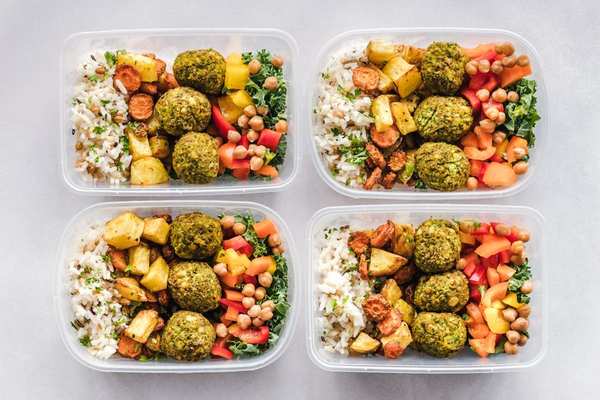
The Mediterranean diet is less a rigid menu than a flexible eating pattern built around vegetables, fruit, whole grains, beans, lentils, nuts, seeds, olive oil, fish and modest amounts of dairy and poultry. It limits highly processed foods, sugary drinks, refined grains and frequent red or processed meat. That flexibility is one reason it works well for beginners: you can adapt it to your budget, culture and schedule without buying specialty products.
This Mediterranean diet meal plan for beginners covers seven distinct days and uses overlapping ingredients to reduce waste. Portions should be adjusted for appetite, activity level and personal health needs. Water is the default drink, and alcohol is not required. People managing diabetes, kidney disease, food allergies, pregnancy or another medical condition may need individualized advice from a registered dietitian or clinician.
How to Prepare for the Week
Before the first day, cook a batch of brown rice or quinoa, rinse a few cans of no-salt-added beans, wash salad vegetables and make a simple dressing with olive oil, lemon juice, herbs and black pepper. Keep plain Greek yogurt, eggs, whole-grain bread, frozen vegetables, fruit and canned fish available for quick meals.
The plan deliberately repeats ingredients. Chickpeas used at lunch can appear in dinner later in the week, while roasted vegetables can become an omelet filling or grain-bowl topping. This is more realistic than buying a completely different set of foods every day.
1. Day One: Start With Familiar Foods
Breakfast
Serve plain Greek yogurt with berries, a spoonful of oats and chopped walnuts. The yogurt provides protein, while fruit, oats and nuts add fiber and texture without relying on a sugary breakfast product.
Lunch
Make a whole-grain pita filled with hummus, cucumber, tomato, spinach and shredded carrot. Add an orange or apple on the side.
Dinner
Roast salmon with broccoli and cherry tomatoes, then serve it with brown rice. Season with olive oil, lemon, garlic and herbs rather than a heavy bottled sauce.
2. Day Two: Build a Bean-Based Meal
Breakfast
Top whole-grain toast with mashed avocado and a cooked egg. Add sliced tomato or fruit if you want a larger meal.
Lunch
Combine chickpeas, cucumber, tomato, parsley, red onion and a small amount of feta. Dress with olive oil and lemon, and serve with whole-grain crackers or leftover brown rice.
Dinner
Prepare lentil and vegetable soup using carrots, celery, tomatoes and spinach. Pair it with a side salad and whole-grain bread. Canned lentils can shorten preparation time; rinse them first to reduce sodium.
3. Day Three: Use Leftovers Intentionally
Breakfast
Cook oatmeal with milk or an unsweetened fortified alternative. Stir in cinnamon, chopped pear and almonds.
Lunch
Reheat the lentil soup and add a simple salad. Planning leftovers is a practical part of a Mediterranean diet plan because it reduces both cooking time and the temptation to order a less balanced lunch.
Dinner
Make a chicken and vegetable sheet-pan meal with bell peppers, zucchini, onion and small potatoes. Coat lightly with olive oil and herbs before roasting. Cook extra vegetables for the next day.
4. Day Four: Make Vegetables the Center
Breakfast
Scramble eggs with leftover roasted vegetables and spinach. Serve with whole-grain toast.
Lunch
Build a quinoa bowl with the remaining chicken, roasted vegetables, greens and lemon-olive oil dressing. Keep the grain portion moderate and let vegetables fill most of the bowl.
Dinner
Cook whole-grain pasta with tomatoes, white beans, spinach and garlic. Finish with olive oil and a small amount of Parmesan. The beans make the meal satisfying without needing a large serving of meat.
5. Day Five: Add Affordable Seafood
Breakfast
Blend plain yogurt, frozen berries, oats and milk into a smoothie. Eat a few nuts alongside it rather than adding sweetened protein powders or syrups.
Lunch
Mix canned tuna with white beans, celery, parsley, lemon and olive oil. Serve over greens or inside a whole-grain wrap. Choose lower-sodium options when available.
Dinner
Make baked fish tacos using corn tortillas, cabbage, tomato, avocado and a yogurt-lime sauce. Beans can be served on the side. This meal shows that Mediterranean-style eating does not have to mean eating only foods from Mediterranean countries; the overall pattern matters more than the cuisine label.
6. Day Six: Keep the Weekend Flexible
Breakfast
Serve whole-grain toast with natural peanut or almond butter and sliced banana. Check that the nut butter has little or no added sugar.
Lunch
Make a tomato, cucumber and feta salad with leftover beans and whole-grain bread. Add olives in a modest amount because they can be high in sodium.
Dinner
Prepare a vegetable and chickpea curry with tomatoes, cauliflower and spinach, served over brown rice. Although curry is not a traditional Mediterranean dish, it fits the plant-forward structure and helps beginners use spices instead of relying on excess salt.
7. Day Seven: Finish With a Simple Family Meal
Breakfast
Make overnight oats with milk, chia seeds, berries and walnuts. Preparing them the night before creates an easy breakfast for a busy morning.
Lunch
Use remaining vegetables, beans and grains in a clean-out-the-fridge bowl. Add greens and the homemade dressing. This habit turns leftovers into a planned meal rather than forgotten food.
Dinner
Roast chicken or tofu with sweet potatoes, green beans and onions. Serve fruit with plain yogurt for dessert. The meal is straightforward enough for a household while still following the Mediterranean diet for beginners.
How to Make the Plan Easier to Follow
Do not try to replace every food in your kitchen overnight. Start by using olive oil in place of some butter, adding beans to two meals, choosing whole grains more often and serving fish once or twice during the week. Keep convenient options such as frozen vegetables, canned beans, canned fish and prewashed greens on hand.
Useful related topics include Mediterranean pantry staples, beginner-friendly healthy meal prep and affordable ways to eat more plant-based meals.
Frequently Asked Questions
Do I need to count calories on the Mediterranean diet?
Not necessarily. Many people focus first on food quality, portions and regular meals. Calorie needs vary, so people with a specific weight or medical goal may benefit from professional guidance.
Is dairy allowed?
Yes. Yogurt and cheese are commonly included in moderate amounts. Choose mostly unsweetened options and pay attention to saturated fat and sodium.
Can vegetarians follow this plan?
Yes. Replace fish and chicken with beans, lentils, tofu, tempeh, eggs or additional nuts and seeds while maintaining variety.
Is wine required?
No. People who do not drink should not start for health reasons. Water, sparkling water, tea and coffee without excessive added sugar are suitable choices.
A Pattern You Can Continue
A useful 7 day meal plan should make the next week easier, not end as a short challenge. Repeat the meals you enjoyed, swap produce according to season and keep the basic formula: plenty of plants, whole grains, legumes, healthy fats and sensible portions of protein. Consistency across ordinary meals matters more than following a perfect menu.