Weight-loss medicines can change more than appetite. For some people, semaglutide, tirzepatide and similar medicines also make it easier to forget to drink, especially when meals become smaller and the usual food-and-drink routine disappears. Add nausea, vomiting, diarrhoea or constipation, and hydration can quickly become a daily concern.
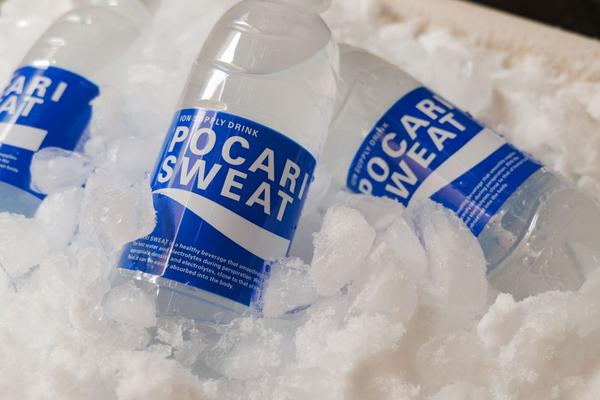
That helps explain the growing interest in electrolyte drinks among GLP-1 users. They can help in the right situation, but they are not automatically better than water. The aim is to build a steady fluid routine and respond early to dehydration.
Why weight-loss medication can affect hydration
GLP-1-based medicines slow digestion and reduce appetite. Common side effects include nausea, vomiting, diarrhoea and constipation. Nausea can make a full glass uncomfortable, while reduced appetite may also cut fluid from foods such as fruit, soup and yoghurt.
The greatest risk usually comes from losing fluid or being unable to replace it. Repeated vomiting and diarrhoea remove water and salts. Drinking much less than usual can also cause headaches, dizziness, fatigue, dry mouth, darker urine and less frequent urination. Severe dehydration can affect kidney function, so contact your prescriber if side effects make it difficult to drink, particularly after starting treatment or increasing the dose.
Build a fluid routine that works with a smaller appetite
A practical starting point for many adults is around two litres of water or other low-calorie fluids across the day, unless a clinician has given a different target. Needs vary with weather, exercise, health and fluid losses. People with kidney disease, heart failure or a prescribed fluid restriction should follow their individual plan.
Small, frequent drinks are often easier to tolerate than large amounts. Keep a bottle nearby and sip regularly when nausea is active. Cold water, ice chips, diluted sugar-free squash or weak ginger or peppermint tea may feel easier than room-temperature water. Drinking between meals can also reduce the overly full feeling some people experience.
Attach fluids to existing habits, such as brushing your teeth, taking medication or starting a work break. Urine colour is another useful guide. Pale yellow urine generally suggests better hydration, while consistently dark, strong-smelling urine or peeing less than usual can signal that you need more fluid or medical advice.
When electrolytes may be helpful
Electrolytes such as sodium and potassium help regulate fluid balance, nerves and muscles. Most people obtain enough through food and do not need a daily electrolyte product simply because they are taking weight-loss medication.
Electrolyte support may be useful after repeated vomiting, significant diarrhoea, heavy sweating, prolonged exercise or a period when very little food and fluid has stayed down. In those situations, an oral rehydration solution from a pharmacy is often more appropriate than a sports drink because it is designed to replace water and salts in proportions that support absorption.
Consider a practical example: the day after a dose increase, you feel nauseated and have two episodes of diarrhoea. Instead of forcing a large bottle of water, take regular small sips. If losses continue, ask a pharmacist about an oral rehydration sachet and mix it exactly as directed. If you cannot keep fluids down, feel lightheaded when standing or pass very little urine, contact a healthcare professional promptly.
How to choose an electrolyte drink
Check the label rather than relying on marketing claims. Look for clear sodium and potassium amounts, moderate or low added sugar and no unnecessary stimulant blend. Energy drinks are not the same as electrolyte drinks and may worsen nausea or jitteriness.
More minerals are not always better. Some powders contain large amounts of sodium, potassium or magnesium. That may be unsuitable if you have kidney disease, high blood pressure, heart problems or take medicines that affect fluid balance. Ask a pharmacist, dietitian or prescriber before regular use, especially if you have been told to limit salt, potassium or fluids.
Hydration tips for common GLP-1 side effects
Nausea and early fullness
Sip slowly and test different temperatures. Plain water may be easiest, while some people tolerate ice chips or weak herbal tea better. Eat small meals and stop when comfortably full. Rich meals and alcohol can intensify nausea and make fluid intake harder.
Vomiting or diarrhoea
Prioritise small sips and consider pharmacy oral rehydration products when losses are meaningful. Do not use less water than the instructions require; correct dilution matters. Seek advice if vomiting is repeated, diarrhoea persists or you cannot keep fluids down.
Constipation
Constipation is not a reason to take large amounts of electrolytes. Regular fluids, gradual fibre intake and movement matter more. Extra fibre without enough fluid can worsen constipation. Our GLP-1 meal planning guide and managing nausea on weight-loss medication guide can help you build tolerable meals around symptoms.
Headache, fatigue and dizziness
These can be linked to dehydration, but they may also reflect low food intake, low blood sugar in people using certain diabetes medicines, illness or another side effect. Drink steadily and eat as advised, but do not assume an electrolyte drink will solve every symptom. Contact your healthcare team when symptoms are strong, recurring or accompanied by confusion, fainting, a fast heartbeat or reduced urination.
A simple daily hydration check
Ask: Have I been drinking regularly? Is my urine dark or less frequent? Have vomiting, diarrhoea, heat or exercise increased my losses? This check is more useful than waiting for thirst, which can be easy to miss when routines change.
Track symptoms for a few days after each dose increase. Note fluid intake, nausea, bowel changes and any electrolyte product used. Share that information with your prescriber if symptoms continue. It can help them decide whether your dose, meal pattern or GLP-1 side effects nutrition plan needs review. Protein intake while using GLP-1 medicines is another useful topic when portions are smaller.
Frequently asked questions
Should I drink electrolytes every day on weight-loss medication?
Usually not. Water and a balanced diet are enough for many people. Electrolytes may help when vomiting, diarrhoea, heavy sweating or poor intake causes meaningful fluid and salt loss. Discuss regular use with a clinician if you have kidney, heart or blood-pressure concerns.
Can electrolyte drinks stop GLP-1 headaches?
They may help when a headache is related to dehydration, but headaches have several possible causes. Steady fluids, regular small meals and a review of persistent symptoms are more appropriate than assuming electrolytes are always the answer.
What are warning signs of dehydration?
Watch for dark, strong-smelling urine, urinating less often, dry mouth, dizziness, unusual tiredness, confusion or a fast heartbeat. Get medical advice if you cannot keep fluids down, feel faint or have ongoing vomiting or diarrhoea.
Can I make my own electrolyte drink?
For mild everyday hydration, water and normal meals are usually simpler. When oral rehydration is needed, a pharmacy product mixed exactly as instructed provides a more reliable balance than an improvised recipe.
Make hydration part of the treatment plan
Hydration on weight-loss medication works best as a routine, not a rescue mission. Drink small amounts regularly, watch urine and symptoms, and use electrolyte products for a clear reason rather than as a daily requirement. When side effects prevent drinking or dehydration signs develop, contact your healthcare team early. A steady approach supports comfort, nutrition and treatment.