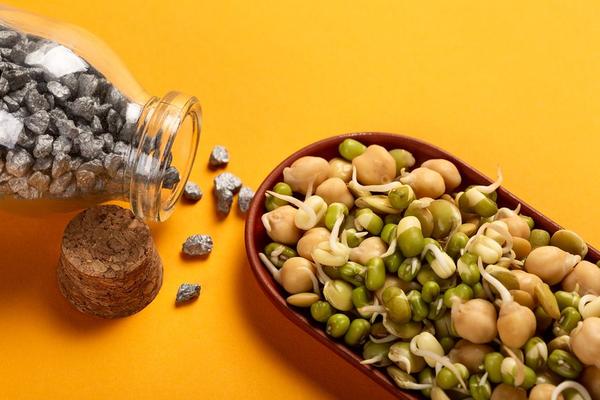
Iron and vitamin B12 are often discussed together in vegan nutrition, but they are different problems to solve. Iron is widely available in plant foods, although the body absorbs plant-based non-haem iron less efficiently than haem iron from animal foods. Vitamin B12 is different: reliable natural plant sources are essentially absent, so fortified foods and supplements do most of the heavy lifting.
A well-planned vegan diet can provide plenty of iron while keeping B12 intake dependable. The useful routine is simple: include iron-rich foods throughout the day, pair them with vitamin C, and make sure a reliable B12 source appears consistently.
Why iron and B12 need different strategies
Iron helps the body make haemoglobin, which carries oxygen in the blood. Vitamin B12 supports normal red blood cell formation and the nervous system. Low intake or poor absorption of either nutrient can contribute to anaemia, fatigue and other problems, although symptoms can have many causes and should not be self-diagnosed.
The concern around vegan nutrient deficiencies is not that plant-based eating automatically causes them. It is that some nutrients need deliberate planning. Iron is mainly a matter of food choice and absorption, while B12 requires a dependable fortified source or supplement because ordinary unfortified plant foods cannot be counted on to provide enough.
The most useful plant based iron sources
Lentils, beans and chickpeas
Pulses are practical iron sources that also provide protein and fibre. Lentil curries, chickpea salads, bean chilli and hummus can all contribute iron across the day. Canned beans are convenient too; rinsing them can reduce some of the added salt.
Tofu and tempeh
Tofu and tempeh combine protein with iron and work in stir-fries, wraps and grain bowls. Iron content varies by product, so labels can be useful. Calcium-set tofu may also contribute calcium, making it an efficient plant-based staple.
Nuts, seeds and whole grains
Pumpkin seeds, sesame seeds, tahini and cashews add useful iron to oats, salads and bowls. Wholemeal bread, oats, quinoa and iron-fortified cereals can contribute as well. Fortification levels vary, so compare labels rather than assuming every cereal provides the same amount.
Green vegetables and dried fruit
Dark green vegetables such as broccoli and leafy greens contribute iron alongside other nutrients. Dried apricots, prunes and figs can help too. Spinach contains iron, but it should not be treated as a uniquely powerful source because compounds in spinach can reduce how much of that iron is absorbed.
How to absorb more iron from vegan meals
Plant iron is non-haem iron, and absorption is influenced by the rest of the meal. The easiest improvement is to eat a vitamin C-rich food at the same time. Peppers, tomatoes, citrus fruit, berries, kiwi and broccoli can all help the body absorb non-haem iron more effectively.
For example, a lentil bowl becomes more iron-friendly when it includes red pepper, tomatoes and lemon juice. Oats topped with berries and pumpkin seeds are another easy pairing. These combinations are often more useful than focusing on the iron number in one ingredient.
Tea and coffee contain compounds that can reduce iron absorption when consumed with a meal. If iron status is a concern, having them between meals rather than with an iron-rich main meal is a practical habit. Soaking, sprouting and fermenting some grains and legumes may also reduce phytates that interfere with mineral absorption.
Reliable vegan B12 foods
Vitamin B12 is naturally found mainly in animal-derived foods. For vegans, dependable food sources are products fortified with B12. The word “fortified” matters: a plant milk, cereal or nutritional yeast is not automatically a B12 source unless the label confirms it.
Fortified plant milks and cereals
Many soy, oat, pea and other plant drinks contain added B12, although amounts differ between products. Some breakfast cereals are fortified with both B12 and iron, making them convenient for covering both nutrients. Check the nutrition label and serving size because formulations can change.
Fortified nutritional yeast and yeast extracts
Nutritional yeast can provide B12 when it is fortified, and some yeast extracts contain added B12 too. Unfortified nutritional yeast does not become a reliable B12 source simply because it is yeast.
Seaweed, spirulina and fermented foods are sometimes promoted as natural vegan B12 foods, but they should not replace reliable fortified foods or a supplement. Their B12 content can be absent, inconsistent or present in forms that are not dependable for meeting human needs.
Where a B12 supplement fits
Because B12 is so limited in unfortified plant foods, many vegans use a supplement even when fortified products are part of their diet. The right dose and schedule depend on the product and individual circumstances, so follow product directions or advice from a qualified health professional rather than copying a random high-dose routine online.
People with digestive conditions, previous gastrointestinal surgery, certain medication use, pregnancy, older age or possible deficiency symptoms may need individual assessment. Blood testing and medical advice are more useful than guessing.
A simple day that covers both nutrients
A practical day could start with fortified cereal, fortified soy milk, berries and pumpkin seeds; continue with a lentil and roasted pepper wrap; and finish with tofu, broccoli, brown rice and tomato sauce. That pattern provides several iron sources, multiple vitamin C pairings and reliable B12 fortification without turning every meal into a nutrition calculation.
Related topics that fit naturally alongside this guide include plant-based protein choices, calcium-rich vegan foods and a broader vegan nutrition checklist. Together, these make it easier to plan a balanced eating pattern rather than focusing on one nutrient in isolation.
Frequently asked questions
Can vegans get enough iron without supplements?
Many can by regularly eating pulses, soy foods, whole grains, nuts, seeds, fortified cereals and vegetables, while pairing iron-rich meals with vitamin C. People with low iron stores, heavy menstrual losses, pregnancy or medical conditions may need testing and professional advice before using an iron supplement.
What is the most reliable vegan source of vitamin B12?
Fortified foods and B12 supplements are reliable vegan sources. Check labels on plant milks, cereals, nutritional yeast and yeast extracts because fortification varies and some products contain no B12.
Do lentils contain vitamin B12?
No. Lentils are useful for iron, protein and fibre, but they are not a reliable B12 source. Vegan meal planning therefore needs separate B12 coverage through fortified foods or supplementation.
Should tea and coffee be avoided on a vegan diet?
No. If you are trying to maximise iron absorption, especially when iron status is low, it can be sensible to drink tea or coffee between meals rather than with your main iron-rich meals.
Building a routine that works
The best way to approach vegan iron and B12 sources is to give each nutrient its own strategy. For iron, eat a varied mix of pulses, soy foods, grains, seeds and vegetables and pair them with vitamin C. For B12, rely on clearly labelled fortified foods and, when appropriate, a suitable supplement. Once those habits become routine, covering these two nutrients becomes far simpler and more consistent.