Protein is one of the easiest nutrients to overcomplicate on a vegan diet. In practice, a varied plant-based eating pattern can provide plenty when meals regularly include beans, lentils, soya foods, whole grains, nuts and seeds. The useful question is not simply which foods contain protein, but how much you get from a realistic serving.
The figures below are approximate. Protein content changes with brand, variety, cooking method and drained weight, so check packaged-food labels when precision matters. Serving sizes are chosen to make the list practical rather than to imply that everyone should eat the same portion.
Soya and wheat-based protein foods
1. Tempeh — about 20 g per 100 g
Tempeh is one of the most protein-dense whole-food vegan choices, with a firm texture that works well in stir-fries, grain bowls and curries.
2. Firm tofu — about 16.5 g per 100 g
Firm tofu gives meals a substantial protein boost. Bake, air-fry or pan-sear it for noodles, salads, wraps or rice bowls.
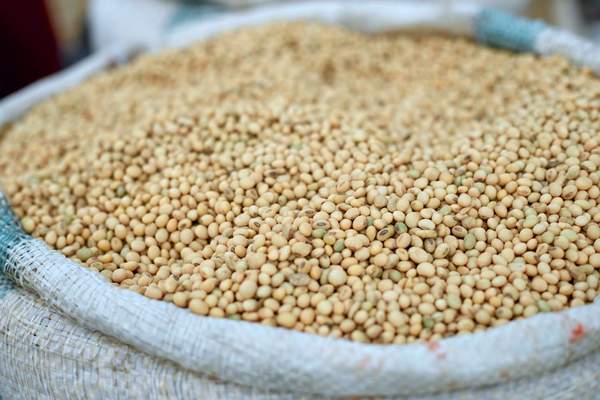
3. Edamame — about 16 g per 120 g serving
Young soya beans combine protein with fibre and are easy to keep frozen for quick salads, soups and snack bowls.
4. Seitan — about 24 g per 100 g
Made mainly from wheat gluten, seitan is typically very high in protein, but it is unsuitable for people who need to avoid gluten.
5. Soya mince — about 19 g per 100 g cooked
Soya mince makes protein-rich chilli, bolognese and shepherd’s pie easy. Protein and salt levels vary, so compare labels.
Beans, lentils and peas
6. Lentils — about 8 g per 100 g cooked
Lentils are inexpensive and filling. Red lentils suit soups and dals, while green or brown varieties hold their shape in salads.
7. Kidney beans — about 9 g per 120 g drained serving
Kidney beans are a practical pantry staple for chilli, tacos and rice dishes, making plant based protein easy to add on busy days.
8. Black beans — about 9 g per 100 g cooked
Black beans work in rice bowls, soups and tacos, or can be mashed into burgers and savoury toast toppings.
9. Chickpeas — about 8 g per 120 g drained serving
Chickpeas fit curries, salads, roasted snacks and hummus, making them among the most versatile everyday vegan protein foods.
10. Baked beans — about 10 g per half a 400 g can
Baked beans are convenient and family-friendly. Lower-salt or lower-sugar versions can be useful choices when available.
11. Green peas — about 5 g per 100 g cooked
Peas are less protein-dense than soya or lentils, but their contribution adds up in pasta, risotto, soups and mixed dishes.
Plant milks, grains and everyday staples
12. Soya drink — about 7 g per 200 ml
Unsweetened fortified soya drink is one of the higher-protein dairy alternatives and works well in porridge, smoothies and coffee.
13. Soya yoghurt — about 6 g per 150 g
Soya yoghurt can strengthen a breakfast when topped with oats, seeds and fruit. Choose fortified varieties when possible.
14. Quinoa — about 6 g per 100 g cooked
Quinoa contributes both protein and carbohydrate. Pair it with lentils or edamame when you want a more substantial meal.
15. Oats — about 5 g per 40 g dry serving
Oats quietly contribute to daily protein. Cooking them with soya drink and adding peanut butter raises the total considerably.
16. Wholewheat pasta — about 10 g per 75 g dry serving
Wholewheat pasta is easily overlooked on a vegan protein sources list. Add lentil sauce, peas or tofu for an even stronger meal.
Nuts, seeds and concentrated toppings
17. Hemp seeds — about 9 g per 30 g
Hemp seeds need no cooking and can be sprinkled over porridge, yoghurt, salads, soup or roasted vegetables.
18. Pumpkin seeds — about 9 g per 30 g
A small handful of pumpkin seeds adds useful protein and crunch to breakfast, snacks, soups and grain bowls.
19. Peanuts — about 8 to 9 g per 30 g
Peanuts are among the higher-protein common nuts and make a convenient snack, although portions can become calorie-dense quickly.
20. Peanut butter — about 4 g per tablespoon
Peanut butter is an effortless protein addition to wholegrain toast, porridge, smoothies and savoury sauces.
21. Almonds — about 6 g per 30 g
Almonds combine protein, fibre and unsaturated fat and are easy to eat as a snack or chopped over meals.
22. Pistachios — about 6 to 7 g per 30 g
Pistachios provide protein with plenty of texture. Unsalted versions are a sensible choice if nuts are a frequent snack.
23. Chia seeds — about 5 g per 28 g
Chia seeds work particularly well in overnight oats and chia pudding, where they contribute protein alongside fibre and fat.
24. Tahini — about 5 g per 30 g
Tahini turns lemon juice and water into a creamy sesame dressing for chickpea salads, roasted vegetables and grain bowls.
25. Nutritional yeast — about 5 g per 10 g
Nutritional yeast is a savoury topping for pasta, potatoes and soups. Protein varies by brand, and vitamin B12 is present only in fortified products.
How to build a higher-protein vegan meal
The simplest strategy is to combine two or three sources instead of expecting one ingredient to do everything. For example, a bowl with 100 g firm tofu, 100 g cooked quinoa and 100 g green peas can provide roughly 28 g of protein before sauces or toppings are counted.
The same idea works at breakfast: oats cooked with fortified soya drink and finished with peanut butter or hemp seeds create a much higher-protein bowl than oats made with water alone. Variety also helps a vegan diet supply iron, zinc, calcium, healthy fats and other nutrients.
Frequently asked questions
Can you get enough protein on a vegan diet?
Yes. A varied vegan diet can provide adequate protein when it regularly includes pulses, soya foods, grains, nuts and seeds. Individual requirements differ with body size, age, health and activity.
Which vegan foods are highest in protein?
Tempeh, seitan, tofu, soya mince, edamame, lentils, peanuts and several seeds are among the more protein-dense choices. Packaged meat alternatives vary widely, so compare nutrition labels.
Are vegan protein powders necessary?
Usually not. Many people can meet their needs through food, although protein powder can be convenient for athletes, people with higher requirements or anyone who struggles to eat enough.
A practical way to use this list
Rather than chasing one perfect protein food, keep several dependable options in rotation: tofu or tempeh for main meals, beans or lentils for inexpensive batch cooking, soya milk for breakfast, and nuts or seeds for quick additions. That makes protein intake more consistent while keeping meals varied, enjoyable and firmly plant-based.