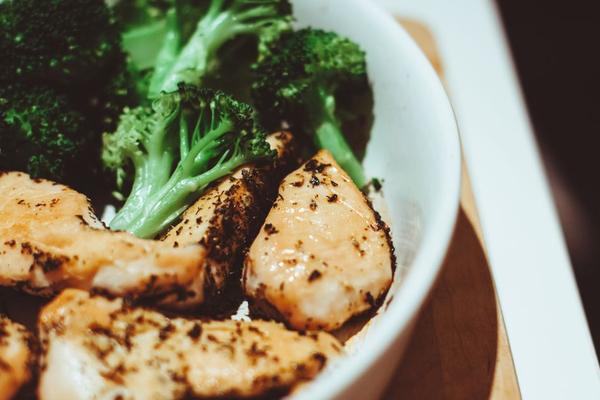
A smaller appetite can make eating feel less urgent, but the body’s need for protein does not disappear. This matters during weight loss or treatment with medicines that reduce hunger, including GLP-1-based therapies. When total food intake falls, choosing high protein foods for smaller appetite becomes a practical way to protect nutrition without forcing down large meals.
The goal is not to force large servings. It is to make each bite work harder. A few spoonfuls of Greek yoghurt, an egg, a small piece of fish, or a compact smoothie can provide more protein than a much larger portion of low-protein food. This “protein first” approach is especially useful when fullness arrives quickly.
Why protein deserves priority when portions shrink
Protein supports muscle tissue, immune function, and recovery. During weight loss, the body can lose some lean mass as well as fat. Recent research on incretin-based weight-loss treatments reinforces the value of adequate protein, resistance exercise, and nutrition monitoring as part of a muscle-preserving plan.
Reduced appetite can also lower vitamin, mineral, fibre, and fluid intake. Protein is only one part of appetite loss nutrition, but it is often the nutrient that becomes hardest to fit in once meals become very small. Starting with protein helps ensure it is not left until the end of the plate, when you may already feel full.
Best high-protein foods for a smaller appetite
Greek yoghurt or skyr
Thick strained yoghurt delivers a useful amount of protein in a small bowl and requires little preparation. Add berries, cinnamon, or a little nut butter if desired. If a full pot feels too much, divide it into two mini snacks.
Cottage cheese
Cottage cheese is soft, mild, and easy to eat slowly. A small serving works with tomato, fruit, crackers, or toast. It can also be blended into soups, scrambled eggs, or pasta sauces to raise protein without dramatically increasing portion size.
Eggs
Eggs are compact, versatile, and often easier to tolerate than a large serving of meat. Try one boiled egg, a small omelette, or softly scrambled eggs with a little grated cheese. Pair an egg with half a slice of toast for a manageable breakfast.
Fish and seafood
Salmon, tuna, prawns, white fish, and sardines provide concentrated protein in modest portions. Soft fish can be particularly helpful when chewing or food fatigue is an issue. Choose grilled, baked, poached, or tinned options, avoiding very rich preparation if nausea or reflux is present.
Chicken, turkey, or lean meat
A few slices of chicken or turkey can fit into a small wrap, soup, or snack plate. Minced meat may feel easier than a dense steak because it can be mixed into softer foods. Keep servings tender and moist.
Tofu, tempeh, and edamame
These are useful plant-based muscle preserving foods. Silken tofu blends smoothly into soups, sauces, and smoothies, while firm tofu or tempeh works well in small cubes. Shelled edamame works as a snack or a topping for rice bowls without requiring a large volume.
Milk and protein-enriched dairy drinks
Drinks may be easier than solid food on low-appetite days. Milk provides protein along with fluid and other nutrients, while protein-enriched milk offers more nutrition in the same volume. Sip slowly rather than drinking a large amount with meals.
Protein shakes used thoughtfully
A shake can help when food preparation feels difficult, but it should complement a varied diet. Use a small serving and check the label for protein, added sugar, and portion size. People with kidney disease, complex medical needs, or persistent digestive symptoms should ask a clinician or registered dietitian before making protein supplements routine.
How to build protein into small portions
Think in “protein anchors” rather than full traditional meals. Choose one compact protein food first, then add a small amount of fruit, vegetables, whole grains, or healthy fat as appetite allows. For example, breakfast could be half a bowl of Greek yoghurt with berries; lunch might be a small egg and cottage cheese plate; dinner could be a palm-sized piece of fish with a few forkfuls of vegetables.
Another practical method is to split one meal into two eating moments. Someone who cannot finish chicken, rice, and vegetables at noon could eat the chicken and a few vegetables first, then have the remaining food two hours later. This makes protein small portions more achievable without creating pressure to clear a plate.
You can also “fortify” foods you already tolerate. Stir milk powder into porridge, add yoghurt to a smoothie, mix cottage cheese into eggs, or add tofu to soup. These small upgrades increase protein while keeping volume relatively stable.
What to do when nausea or early fullness gets in the way
Cold or room-temperature foods may be easier when cooking smells trigger nausea. Eat slowly, pause between bites, and avoid lying down immediately after meals. Very fatty, spicy, or oversized meals can worsen digestive discomfort for some people using GLP-1 medicines.
Do not ignore repeated vomiting, inability to keep fluids down, severe abdominal pain, dizziness, marked weakness, or rapidly worsening intake. Contact the prescribing clinician promptly. Medication doses, meal timing, hydration, and symptom management may need review.
Protein works best with movement and a balanced diet
Protein alone cannot fully protect strength. Resistance exercise, such as weights, resistance bands, or suitable body-weight movements, gives muscles a reason to stay active during weight loss.
Continue to make room for fibre-rich foods, colourful produce, and fluids. A small appetite should lead to more nutrient-dense choices, not an all-protein diet. Related reading opportunities include healthy meals for GLP-1 users, strength training during weight loss, and managing nausea on weight-loss medication.
Frequently asked questions
What is the easiest high-protein breakfast for a small appetite?
Greek yoghurt, skyr, an egg, cottage cheese, or a small milk-based smoothie are practical options. Keep the first serving modest.
Is a protein shake enough when I cannot face a meal?
Occasionally, a suitable shake may help bridge a gap. Relying on shakes alone can reduce dietary variety and fibre. Persistent poor intake deserves professional review.
Should I eat protein first?
Eating the protein component first can be helpful when you become full quickly. It ensures the most concentrated source of protein is eaten before appetite fades, while the rest of the meal can follow as tolerated.
How much protein do I need?
Needs vary with body size, age, health, activity, kidney function, and the pace of weight loss. A registered dietitian or clinician can set an appropriate target, especially for older adults, people with diabetes, kidney disease, or anyone losing weight rapidly.
Make small meals nutritionally stronger
A reduced appetite calls for smarter portions, not constant pressure to eat more. Prioritise compact protein foods, divide meals when needed, and enrich familiar dishes with small additions. Combined with adequate fluids, varied foods, and appropriate strength activity, this approach can make limited appetite easier to manage while supporting muscle and overall nutrition.