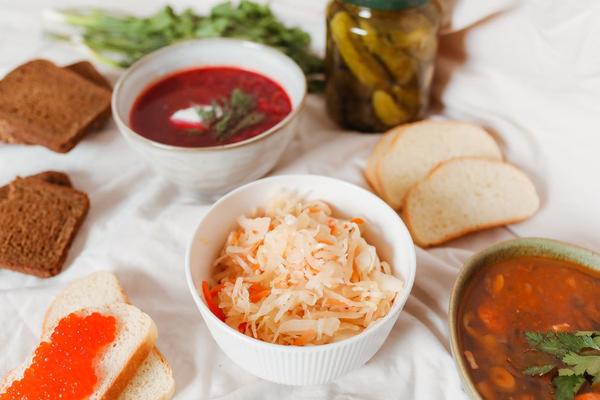
Gut health is no longer treated as an isolated digestive issue. In 2026, it is increasingly viewed as part of everyday wellbeing, from comfortable digestion to how satisfied we feel after meals. Yet the most useful advice remains simple: a healthy gut microbiome is supported by a varied diet, not by one fashionable ingredient.
The best foods for gut microbiome health generally fall into two groups. Prebiotic foods contain fibres that nourish microorganisms already living in the bowel, while probiotic foods may provide live bacteria or yeasts. Combining both within a balanced eating pattern can support the gut without turning every meal into a science experiment.
How a Gut Microbiome Diet Works
The gut microbiome is the community of microorganisms living mainly in the large intestine. Some fibres are not fully digested earlier in the digestive tract. When they reach the colon, certain microbes ferment them and produce compounds, including short-chain fatty acids, that help support the intestinal environment.
UK guidance recommends that adults aim for around 30g of fibre a day as part of a healthy, balanced diet. Increase fibre gradually and drink enough fluid, particularly if your current intake is low. Probiotic foods can complement this foundation, but they are not guaranteed treatments. Products contain different microorganisms, and not every fermented food still has live cultures when eaten.
10 Foods That Support a Healthy Gut Microbiome
1. Natural Yoghurt with Live Cultures
Natural yoghurt is one of the easiest probiotic foods to add to breakfast or snacks. Look for “live cultures” or “active cultures” on the packaging, because not every yoghurt contains live microorganisms. Choose plain or lower-sugar varieties where possible, then add oats, berries or chopped apple for extra fibre.
2. Kefir
Kefir is a tart fermented milk drink that may contain several types of live microorganisms, although cultures vary between brands. Drink it plain, pour it over muesli or blend it with fruit. Cultured dairy-free alternatives are available, but check their live-culture and added-sugar information.
3. Sauerkraut and Kimchi
Fermented vegetables provide fibre, bold flavour and, in some products, live microorganisms. Refrigerated, unpasteurised sauerkraut or kimchi is more likely to contain live cultures than a heat-treated version. These foods can be high in salt, so a modest serving is sensible.
4. Oats
Oats provide useful fibre, including beta-glucan. Porridge, overnight oats and unsweetened muesli are easy additions to a gut microbiome diet. Try oats with live-culture yoghurt, seeds and fruit to combine several fibre sources with a fermented food.
5. Beans, Lentils and Chickpeas
Pulses are rich in fibre and resistant starch while also supplying plant protein. Add lentils to soups, chickpeas to salads or beans to stews. Tinned options are convenient; drain and rinse them before use. If pulses cause bloating, start with smaller portions and increase them slowly.
6. Onions, Garlic and Leeks
These familiar vegetables contain fermentable carbohydrates that act as prebiotics for certain gut microbes. Use them in sauces, soups, curries and traybakes. However, onions and garlic can worsen symptoms for some people with irritable bowel syndrome, so persistent discomfort may require individual advice.
7. Asparagus and Artichokes
Asparagus and artichokes add variety to a fibre-rich diet. Roast asparagus, stir it through pasta or serve it with eggs. Artichoke hearts work well in salads and grain bowls. Variety matters because different microorganisms use different fibres, making rotation more helpful than relying on one “gut-friendly” vegetable.
8. Apples and Berries
Apples provide pectin, a soluble fibre, while berries contribute fibre and varied plant compounds. Keep edible skins on fruit where practical and choose whole fruit more often than juice. Fresh and frozen berries are both useful. Pair fruit with oats, plain yoghurt or nuts for a filling snack.
9. Slightly Green Bananas
Slightly green bananas contain more resistant starch than very ripe ones. This starch is not fully broken down in the small intestine and can be fermented by microbes in the colon. Slice a firmer banana over porridge or eat it with nut butter, but there is no need to force down unpleasantly unripe fruit.
10. Wholegrains and Cooked-and-Cooled Starches
Wholemeal bread, barley, brown rice and wholewheat pasta increase fibre and plant variety. Cooked potatoes, rice or pasta also develop more resistant starch after cooling. Use them in salads while following safe cooling, storage and reheating practices, and combine them with vegetables and protein.
Making Gut-Friendly Foods Part of Everyday Meals
The microbiome responds to overall eating patterns, not occasional gestures. Rather than buying ten new foods at once, choose changes that fit your routine. Add beans to a familiar stew, replace a refined cereal with porridge, or serve live-culture yoghurt with fruit.
Plant diversity is useful, but it does not need to be expensive. Frozen vegetables, tinned pulses, wholegrain toast and seasonal fruit all count. Expensive powders, cleanses and supplements are not required. For most people, consistency and variety matter more than novelty.
People with an existing health condition or weakened immune system should speak to a doctor before taking probiotic supplements. Persistent abdominal pain, blood in the stool, unexplained weight loss, prolonged diarrhoea or a significant change in bowel habits also require medical advice rather than dietary self-treatment.
Frequently Asked Questions
What are the best foods for gut microbiome health?
No single food is best. A combination of vegetables, fruit, pulses, oats and wholegrains provides a strong foundation. Suitable fermented foods with live cultures, such as certain yoghurts or kefir, can complement that pattern.
What is the difference between prebiotic and probiotic foods?
Prebiotic foods provide fibres that nourish certain microorganisms already in the gut. Probiotic foods contain live microorganisms when consumed. They work differently, and neither replaces an overall balanced diet.
How quickly can changing my diet affect my gut?
Diet can influence the microbiome relatively quickly, but digestive comfort and health outcomes vary. Sustainable habits are more useful than expecting an overnight “reset.” Increase fibre gradually if your usual intake is low.
Do I need a probiotic supplement?
Not necessarily. NHS guidance notes that evidence for many probiotic claims is limited and products vary considerably. A food-first approach is reasonable for many healthy adults. Seek professional advice before using supplements if you have a medical condition or weakened immunity.
Conclusion
The most dependable foods for gut microbiome health are familiar and affordable. Oats, pulses, fruit, vegetables, wholegrains and resistant-starch foods supply fibres that gut microbes can use, while selected live-culture foods may add helpful microorganisms. Build variety gradually, drink enough fluid and choose foods you enjoy. A steady gut microbiome diet is more valuable than a short-lived wellness trend.