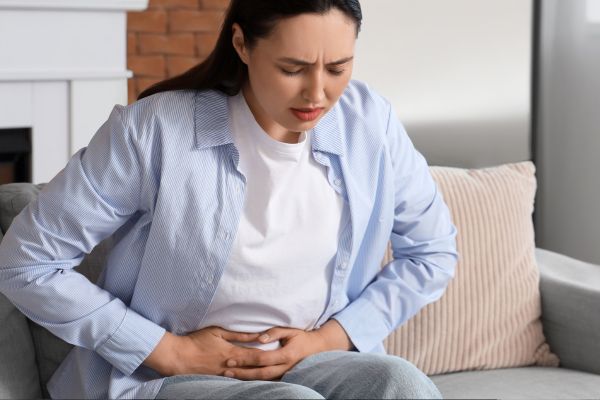
Menstrual cramps can turn an ordinary day into a slow negotiation with your own body. The ache may sit low in the abdomen, spread into the back or thighs, or arrive in waves that make concentration difficult. For some people, the discomfort is mild and brief. For others, it interferes with sleep, work, exercise, and everyday plans.
Several menstrual cramps home remedies can make the first days of a period more manageable. No single method works for everyone, so relief often comes from combining simple measures and noticing what your body responds to best. Home care should ease symptoms, not pressure you to push through pain that is severe, new, or steadily worsening.
Why menstrual cramps happen
Most common period cramps are caused by contractions of the uterus as it sheds its lining. Hormone-like substances called prostaglandins help trigger those contractions, and higher levels are associated with stronger pain. This is known as primary dysmenorrhea. It often begins shortly before bleeding or on the first day of a period and improves within a few days.
Painful periods can also be linked to endometriosis, adenomyosis, fibroids, pelvic inflammatory disease, or other conditions. Cramps that suddenly become intense, begin later in life, occur between periods, or appear with unusual symptoms deserve medical attention rather than repeated home treatment.
Heat is often the best place to start
A heating pad, warm water bottle, heat patch, or warm bath is one of the simplest ways to soothe cramping. Apply gentle heat to the lower abdomen or lower back, depending on where discomfort feels strongest. It can be used while resting, reading, or working at a desk.
ACOG, the NHS, and MedlinePlus include heat among common self-care measures for period pain. Research also suggests that heat therapy can reduce pain in primary dysmenorrhea, although study quality varies.
Keep the temperature comfortably warm rather than very hot. Wrap a hot water bottle in fabric, avoid sleeping directly on an electric heating pad, and check the skin to prevent burns.
Gentle movement may help more than complete stillness
When cramps arrive, curling up under a blanket can feel like the only sensible option. Rest is useful, but staying completely still all day may leave the body feeling tighter. Light activity can sometimes reduce discomfort and improve mood.
A relaxed walk, easy cycling, gentle swimming, or a few minutes of yoga may be enough. The aim is not a hard workout. It is simply to encourage comfortable movement and release tension around the abdomen, hips, and lower back. ACOG and MedlinePlus recommend exercise, and a 2024 systematic review found that several forms of exercise were associated with lower pain intensity in primary dysmenorrhea.
On a difficult day, even stretching beside the bed counts. Slow knee-to-chest movements, a supported child’s pose, or gentle pelvic tilts may feel more realistic than a full routine.
Massage and relaxation can soften the tension
Pain can make the jaw clench, the shoulders rise, and the breath become shallow. That extra tension may make the experience feel more intense.
Try placing one or both hands over the lower abdomen and using slow circular strokes. A warm shower followed by a light massage of the lower back can also feel calming. Pressure should be soothing, never sharp or painful.
Relaxation techniques are not a suggestion that cramps are “all in your head.” They are a way of reducing the physical stress that develops around pain. Slow breathing, meditation, quiet music, or a brief body scan may help the nervous system settle. MedlinePlus includes yoga, meditation, and relaxation techniques among self-care options.
Hydration and simple meals support comfort
Water is not a cure for menstrual pain, but dehydration can add headaches, fatigue, dizziness, or constipation to an uncomfortable day. Sip fluids regularly, especially if bleeding is heavy, the weather is hot, or you have diarrhea or vomiting.
Warm drinks may feel soothing, though there is no need to rely on a particular tea. If caffeine seems to worsen jitteriness, stomach upset, or sleep, reducing it may help. The same applies to very salty meals if they make bloating more noticeable.
Choose food that is easy to tolerate. Soup, yogurt, eggs, fruit, oats, rice, vegetables, or a simple sandwich may be more appealing than a heavy meal. A balanced eating pattern is more useful than chasing one “anti-cramp” food.
Sleep and planning can make difficult days easier
Pain feels harder to manage when the body is exhausted. If possible, protect your sleep when cramps are usually strongest. A warm bath, dimmer lighting, and putting the phone away earlier can make it easier to wind down.
Preparing a heat pack, comfortable clothing, water, and easy meals before symptoms peak can turn a chaotic day into a more manageable one. Tracking cramps for two or three cycles can also reveal patterns. Note when pain starts, how long it lasts, what improves it, and whether bleeding or other symptoms have changed.
Over-the-counter pain relief can be part of home care
Nonsteroidal anti-inflammatory drugs, such as ibuprofen or naproxen, can reduce menstrual pain because they lower prostaglandin activity. They tend to work best when taken at the first sign of bleeding or pain rather than after cramps become severe.
These medicines are not suitable for everyone. People with certain stomach problems, ulcers, bleeding disorders, kidney or liver disease, aspirin allergy, some forms of asthma, or those taking particular medicines should seek professional advice first. Follow the package directions and avoid combining products containing the same active ingredient.
Supplements such as magnesium or vitamin B1 are often discussed online, but ACOG notes that evidence is not strong enough to recommend them as established treatments for period pain. Natural does not automatically mean effective or risk-free.
When cramps need a medical check
Home remedies are reasonable for familiar, mild-to-moderate cramps that improve within a few days. Medical advice is important when pain is severe, suddenly different, worsening over time, or preventing normal daily activities.
Other reasons to seek care include very heavy or irregular periods, bleeding between periods, pain during sex, pain when urinating or having a bowel movement, unexplained weight loss, abdominal swelling, fever, fainting, or possible pregnancy.
A clinician can help determine whether the pain is primary dysmenorrhea or a sign of another condition. Persistent period pain is not something anyone has to accept simply because it happens every month.
Finding a routine that feels realistic
The most useful menstrual cramps home remedies are usually the ones that fit naturally into daily life. For many people, that means heat on the lower abdomen, gentle movement, enough fluids, simple food, and time to rest. Others find that relaxation, massage, or appropriately used over-the-counter medicine makes the biggest difference.
Pay attention to patterns rather than expecting one perfect cure. A thoughtful routine can make ordinary cramps easier to live with, while awareness of warning signs ensures that more serious pain is not dismissed. Comfort matters, but so does listening when the body is asking for more than home care.