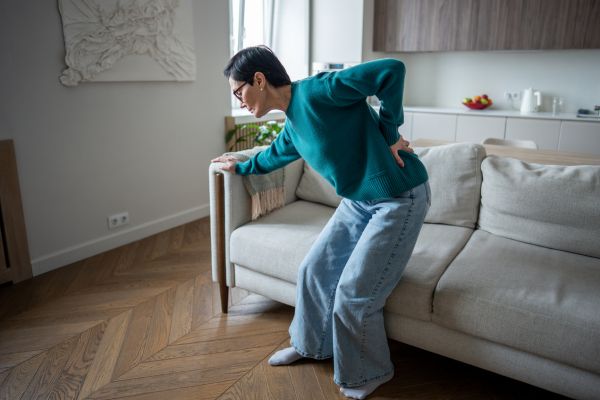
Chronic pain can quietly reshape a senior’s daily life. It may begin as stiffness in the morning, a sore back after walking, or aching joints that seem to get worse with weather changes. Over time, though, pain can affect far more than the body. It can change sleep, mood, movement, appetite, independence, and even the desire to spend time with other people.
Managing chronic pain in seniors is not only about reducing discomfort. It is about helping older adults keep as much comfort, confidence, and daily function as possible. Pain may not always disappear completely, especially when it is linked to long-term conditions such as arthritis, nerve damage, spinal problems, or past injuries. But with the right approach, many seniors can move better, sleep better, and feel more in control of their lives.
The most effective pain care is usually not one single treatment. It is a thoughtful mix of medical guidance, gentle movement, safe routines, emotional support, and careful attention to medications. Chronic pain in later life deserves patience, not quick assumptions.
Understanding Chronic Pain in Older Adults
Chronic pain is usually described as pain that lasts for months or continues beyond the normal healing period. In seniors, it may come from osteoarthritis, lower back conditions, diabetic nerve pain, old fractures, surgery, or several health issues at the same time.
One challenge is that older adults may not always talk openly about pain. Some believe pain is simply a normal part of aging. Others do not want to worry their family or seem dependent. But pain should not be ignored. The National Institute on Aging explains that pain can often be managed with help from healthcare professionals, exercise, complementary approaches, and sometimes pain specialists.
It is important to understand that aging may bring more health problems, but constant suffering should never be accepted as inevitable. When pain is properly assessed, seniors often have more options than they realize.
Start With a Careful Medical Review
Managing chronic pain in seniors should begin with a proper medical review. Pain can have many causes, and guessing can lead to the wrong treatment. A doctor may ask where the pain is, how long it has been present, what makes it better or worse, and how it affects walking, sleep, mood, and daily activities.
This review is especially important because seniors may take several medications for different conditions. A new pain medicine, even one that seems common, can interact with blood pressure pills, diabetes medicines, blood thinners, sleep aids, or other treatments. Older adults may also be more sensitive to side effects.
A careful review can also reveal problems that need urgent attention. Sudden severe pain, pain after a fall, unexplained weight loss, fever, weakness, numbness, or loss of bladder or bowel control should not be treated casually. These symptoms need medical advice quickly.
Focus on Function, Not Only Pain Scores
Pain is personal. A number on a pain scale can be useful, but it does not tell the whole story. One senior may describe pain as moderate but still walk, cook, and sleep well. Another may report the same pain level but be unable to leave the house.
That is why good pain management focuses on function. Can the person climb stairs more safely? Can they sleep for longer stretches? Can they sit comfortably with family? Can they enjoy a short walk? These practical goals often matter more than chasing a perfect zero-pain score.
For many seniors, progress is gradual. A little more movement, fewer sleepless nights, or less fear of activity can be meaningful. Pain care works best when it is realistic and personal.
Gentle Movement Can Make a Real Difference
When someone is in pain, rest may feel like the safest choice. Short rest can help after strain or flare-ups, but too much inactivity can make chronic pain worse. Muscles weaken, joints stiffen, balance declines, and everyday movement becomes harder.
Gentle exercise is often an important part of managing chronic pain in seniors. The CDC lists exercise, including aerobic, aquatic, and resistance exercise, along with physical therapy and mind-body practices such as tai chi and yoga, among nonopioid options for chronic pain management.
The right movement depends on the person. Some seniors do well with walking. Others may prefer water exercise because it reduces pressure on the joints. Stretching, chair exercises, balance training, or supervised physical therapy may be safer for those with limited mobility.
The key is to start slowly. Pain management through movement should not feel like punishment. It should feel steady, supported, and safe.
Physical Therapy and Guided Support
Physical therapy can be especially helpful because it gives seniors a structured way to move without guessing. A physical therapist can assess posture, strength, balance, joint movement, and walking patterns. They can then suggest exercises that match the person’s condition and ability.
For example, someone with knee arthritis may need strengthening around the hips and thighs. A person with back pain may need core stability, posture changes, and safer ways to bend or lift. Someone recovering from a fall may need balance work before they can walk confidently again.
Guided support also helps reduce fear. Many seniors avoid movement because they worry it will damage something. A trained professional can explain which discomfort is expected and which pain signals a need to stop.
Medication Must Be Used Carefully
Medication can play a role in chronic pain care, but seniors need extra caution. What works for a younger adult may not be safe for an older person with kidney disease, heart disease, stomach problems, or multiple prescriptions.
Some reviews of chronic pain care in older adults note that acetaminophen is often considered for mild to moderate pain because of its relatively favorable safety profile, while nonsteroidal anti-inflammatory drugs need caution due to possible side effects and interactions.
This does not mean seniors should start or stop medication on their own. Even common pain relievers can be unsafe if taken too often, at the wrong dose, or with certain health conditions. A doctor or pharmacist can help check whether a medicine is appropriate and whether safer alternatives exist.
Opioid medications require particular care. They may be used in some situations, but they can increase risks such as drowsiness, constipation, confusion, falls, and dependence. For chronic pain, many guidelines encourage nonopioid and non-drug approaches first when appropriate.
Sleep and Pain Are Closely Connected
Pain can disturb sleep, and poor sleep can make pain feel worse. This cycle is common in seniors. A person may wake several times during the night because of hip, back, or shoulder pain. The next day, fatigue lowers their patience, balance, and mood.
Improving sleep does not always require sleeping pills. In fact, sleep medicines can be risky for older adults because they may cause dizziness, confusion, or falls. Simple sleep habits may help: keeping a steady bedtime, reducing late caffeine, using supportive pillows, avoiding long daytime naps, and creating a calm bedtime routine.
Sometimes pain timing matters too. A doctor may adjust medication timing or suggest heat, gentle stretching, or relaxation before bed. Better sleep may not remove pain completely, but it can make pain easier to handle.
Emotional Health Should Not Be Ignored
Chronic pain is not just physical. It can be frustrating, isolating, and emotionally draining. Seniors living with long-term pain may become anxious about movement, worried about losing independence, or sad about activities they can no longer enjoy.
This emotional side of pain is real. It does not mean the pain is “imaginary.” The body and mind constantly influence each other. Stress can tighten muscles, poor mood can lower pain tolerance, and fear can lead to inactivity.
Psychological support, relaxation techniques, mindfulness, and cognitive behavioral therapy may help some people manage chronic pain more effectively. The CDC includes psychological therapies and mindfulness-based stress reduction among nonopioid options for pain management.
For seniors, even regular conversation and social connection can matter. Pain often feels heavier when someone is facing it alone.
Make the Home Safer and More Comfortable
A senior’s living environment can either ease pain or make it worse. Small changes at home may reduce strain and prevent injuries. Supportive chairs, proper lighting, handrails, non-slip mats, and frequently used items kept within easy reach can make daily life safer.
For someone with back pain, bending repeatedly may trigger flare-ups. For someone with knee pain, stairs may be difficult. For a person with arthritis in the hands, opening jars or gripping small objects may be painful. Simple tools and adjustments can protect energy and reduce unnecessary discomfort.
Comfort also matters. Good footwear, supportive bedding, and proper sitting posture can help reduce daily strain. These changes may seem ordinary, but chronic pain is often affected by repeated small stresses.
Nutrition, Weight, and Inflammation
Food is not a magic cure for chronic pain, but nutrition can support overall health. Seniors need enough protein to maintain muscle, enough fluids to avoid dehydration, and balanced meals to support energy and healing.
For some people, weight management may reduce stress on painful joints, especially hips, knees, and lower back. The CDC includes weight loss among nonopioid options that may be considered for certain chronic pain conditions.
This should be approached gently. Seniors should not follow extreme diets, especially if they already have medical conditions or low appetite. The goal is nourishment, strength, and steady health, not harsh restriction.
Family Support Makes Pain Management Easier
Family members and caregivers can make a big difference, but support needs balance. Too little help can leave a senior struggling. Too much help can reduce independence and confidence.
A helpful approach is to listen first. Ask how pain affects the day. Notice patterns. Is pain worse after shopping? Does it flare after sitting too long? Is the person avoiding social visits because they fear discomfort?
Family can help by encouraging medical appointments, supporting exercise routines, checking medication safety, and making home adjustments. Just as importantly, they can respect the senior’s voice. Pain care should not make older adults feel like they have lost control over their own lives.
Know When to Seek Specialist Care
Sometimes chronic pain needs more than routine care. If pain remains severe, spreads, causes major disability, or does not improve with basic treatment, a pain specialist may help. Specialists may offer a broader assessment and discuss options such as targeted therapies, injections, nerve-related treatments, rehabilitation programs, or coordinated care.
The National Institute on Aging notes that help may include exercise, complementary approaches, and support from pain specialists when needed.
Specialist care can be useful when pain is complicated by multiple conditions, unclear diagnosis, or medication challenges. It can also help seniors who feel they have tried everything without enough relief.
Conclusion
Managing chronic pain in seniors is not about one perfect solution. It is about building a careful, realistic plan that protects comfort, movement, safety, and dignity. Pain may be physical, but its effects reach into sleep, mood, independence, and relationships.
The best approach usually combines medical guidance, gentle movement, safe medication use, emotional support, better sleep habits, and practical changes at home. Small improvements matter. A senior who walks a little more comfortably, sleeps a little better, or feels less afraid of movement has already made meaningful progress.
Chronic pain should never be dismissed as just another part of aging. With patience, attention, and the right support, many older adults can live with more ease, more confidence, and a stronger sense of control over their daily lives.